
Artificial intelligence is no longer limited to data analysis or automation tasks. Today’s most advanced AI tools play a critical role in automated design workflows and UX optimization, especially for businesses focused on conversion, engagement, and retention.
From generating interfaces in seconds to analyzing user behavior at scale, AI is reshaping how digital products are built, tested, and improved.
What AI Is Doing in Design and UX Right Now
1. Instant Wireframes and Mockups From Text
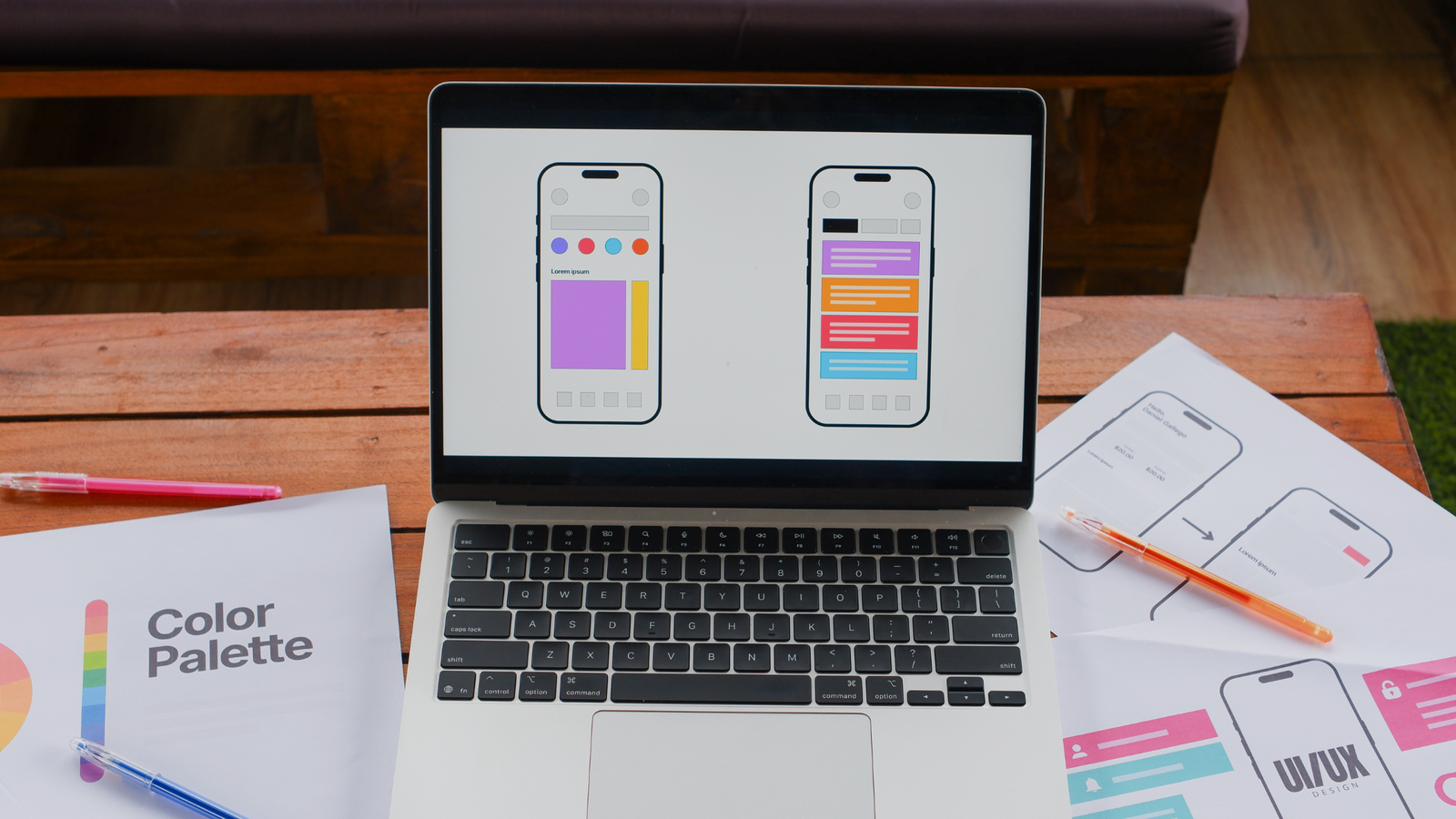
AI can turn simple text prompts into full wireframes, layouts, and interface mockups, dramatically accelerating the concept phase. Teams can explore dozens of variations in minutes and validate ideas before committing design hours.
2. Automated Brand-Consistent Visual Systems
Modern AI design tools can propose layouts, color palettes, typography, and reusable UI components aligned with a brand’s identity. This ensures visual consistency without the tedious manual work of building everything from scratch.
3. Behavior Analysis for Conversion Optimization
AI analyzes heatmaps, click patterns, scroll depth, and session recordings to identify UX friction points. It then recommends design improvements aimed at increasing engagement, reducing drop-offs, and boosting conversion rates.
Examples of AI Tools and Practical Applications
AI-Enhanced Interface Platforms
Tools built on platforms like Figma, Framer, and next-gen AI design editors can generate full interface screens from prompts—complete with visual hierarchy, spacing, and placeholder content.
AI Assistants for UX Research
AI research tools now summarize interviews, cluster insights, and build empathy maps, personas, and customer journeys. What once took hours of manual analysis can be completed in minutes.
Real-Time Personalization Engines
AI personalization systems dynamically change banners, content order, product recommendations, CTAs, and even navigation based on user behavior, location, and history—boosting relevance and retention.
How Agencies Can Leverage AI for Better UX and Faster Delivery
1. Rapid Prototyping for A/B Testing
Use AI to quickly generate multiple landing page variants, product detail pages, menus, or onboarding flows. Then validate with real-world data.
2. Automated UX Health Monitoring
Integrate AI-powered UX analytics into ongoing website or app maintenance. This allows your agency to propose continuous improvements and retain clients longer.
3. AI + Human Expertise = Premium Results
AI speeds up workflows, but the designer ensures strategic alignment, creativity, and brand coherence. Together, they produce cleaner, more user-centered experiences.
The Bottom Line
AI isn’t replacing designers—it’s supercharging them.
By automating repetitive tasks and offering data-driven insights, AI frees creative teams to focus on strategy and impactful UX decisions. The result: digital experiences that look better, convert better, and adapt faster to what users actually want.
